theprofitera@gmail.com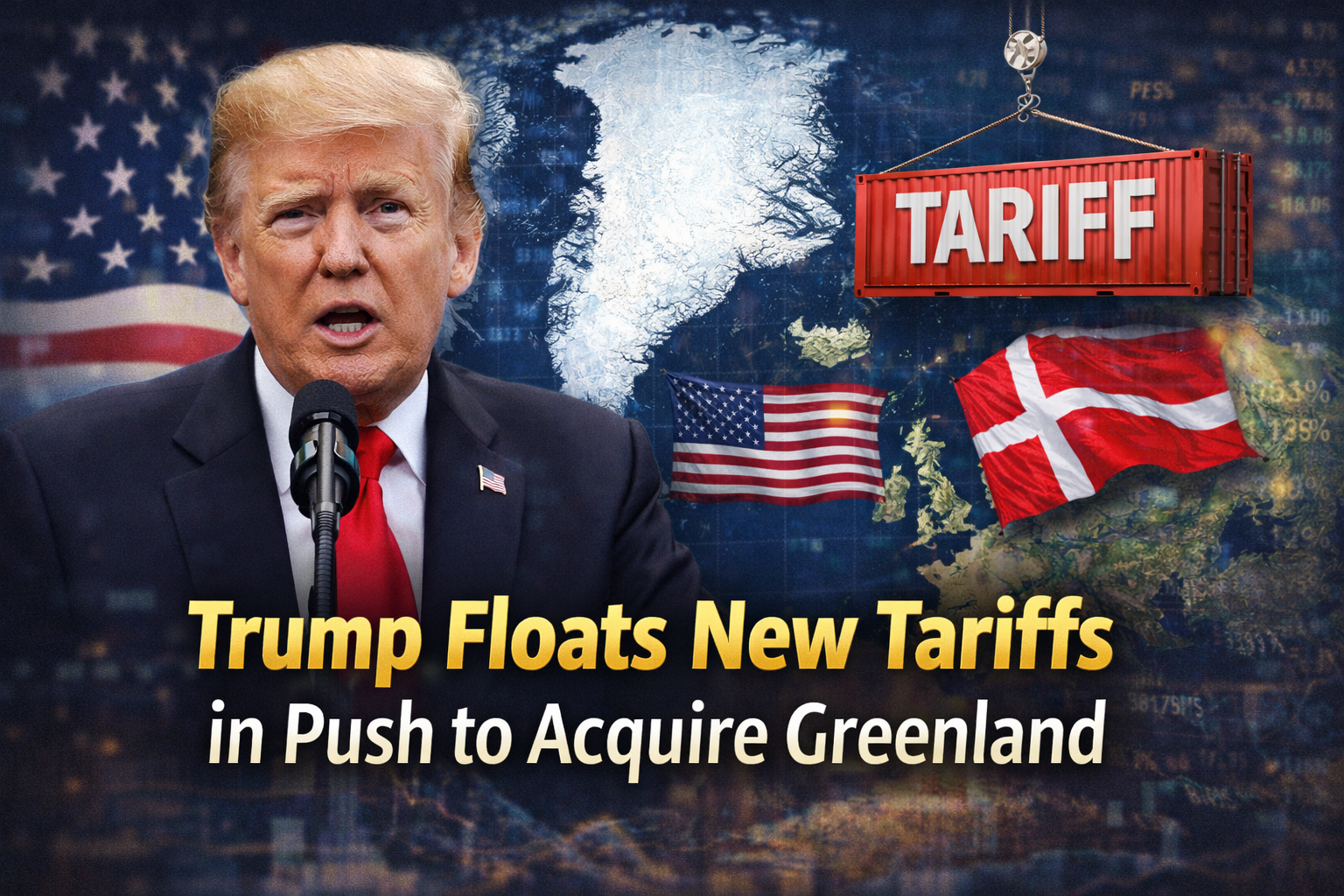
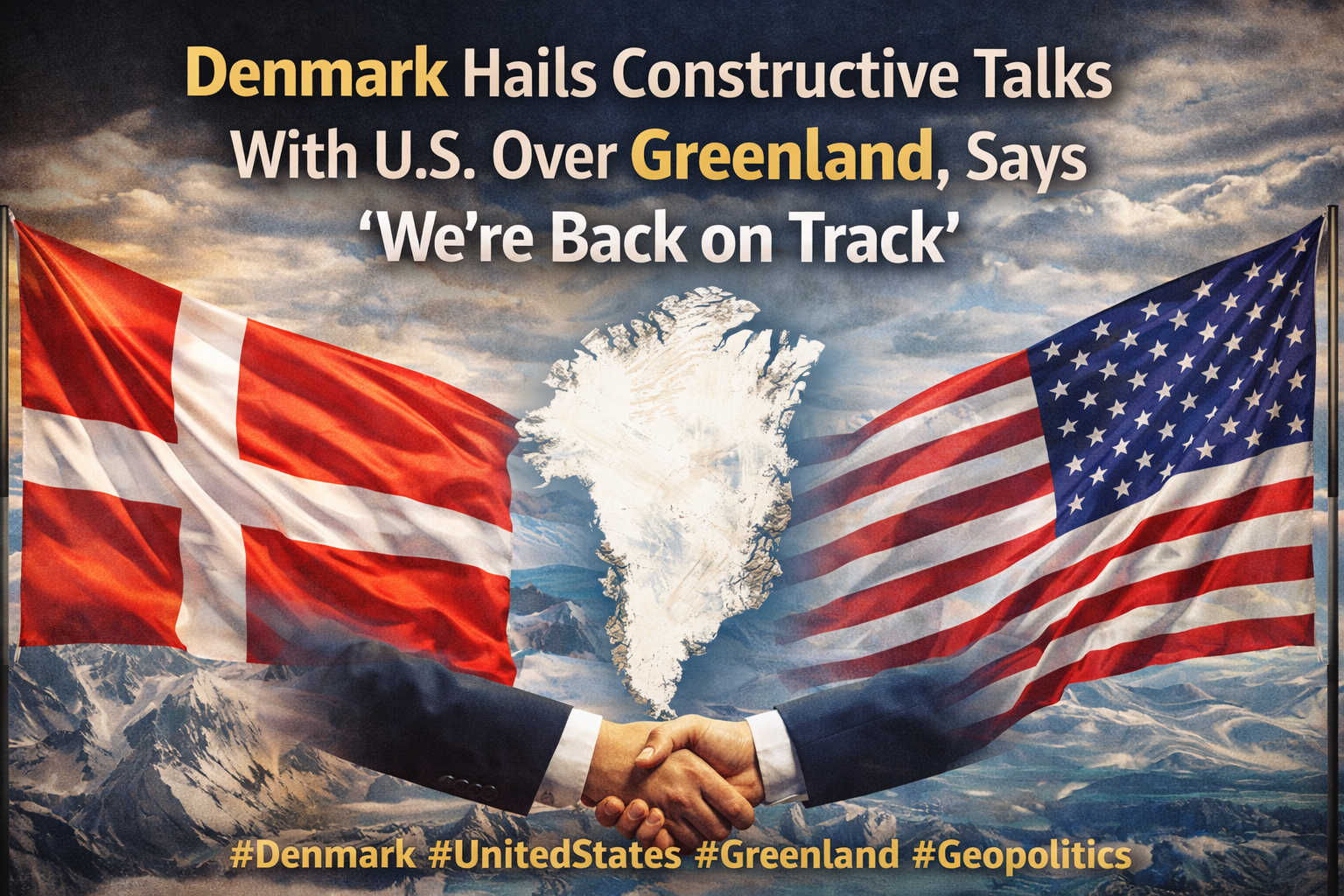
Former US President Donald Trump has once again drawn global attention by floating the idea of imposing new trade tariffs as part of a broader effort to acquire Greenland. The proposal, though unofficial, has revived debate over the strategic importance of Greenland, which is rich in rare earth minerals and holds a critical position in the Arctic region. As climate change opens new shipping routes and access to natural resources, global powers are increasingly focused on the region.
Trump’s comments suggest that tariffs could be used as a negotiating tool, reflecting his long-standing approach of using trade measures to achieve geopolitical goals. The idea echoes his earlier attempt during his presidency to purchase Greenland—an offer that was firmly rejected by Denmark, which maintains sovereignty over the autonomous territory.
The remarks triggered swift diplomatic responses, with Denmark reiterating that Greenland is not for sale and European leaders expressing concern about the potential escalation of trade tensions. Analysts warn that renewed tariff threats could strain US–EU relations and introduce uncertainty into global trade at a time when markets are already sensitive to geopolitical risks.
From a market perspective, tariff-related rhetoric often leads to increased volatility, particularly in sectors linked to global trade, commodities, and manufacturing. Even without concrete policy action, such statements can influence investor sentiment and currency movements.
While the likelihood of an actual acquisition remains low, the episode highlights how geopolitical ambitions, trade policy, and strategic resources are becoming increasingly interconnected. For investors, staying alert to political developments remains essential, as headline-driven risks can quickly impact global markets.