theprofitera@gmail.com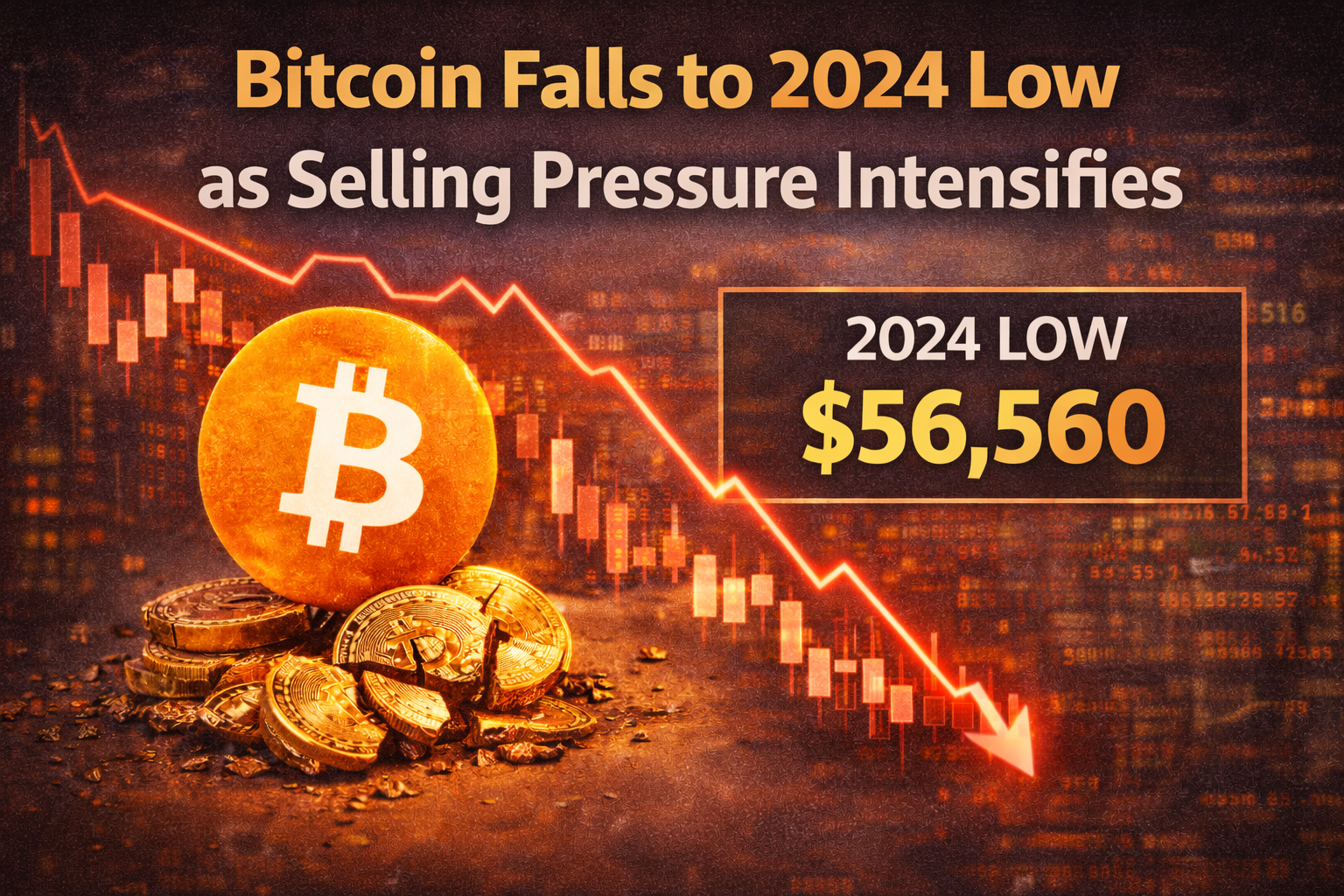
Bitcoin Hits Lowest Level of 2024
Bitcoin prices slid to their lowest level of 2024, reflecting renewed selling pressure across the cryptocurrency market. The decline comes as investors turn cautious amid tightening global financial conditions, regulatory uncertainty, and reduced risk appetite across speculative assets.
The world’s largest cryptocurrency has now erased a significant portion of its earlier gains, triggering concern among traders and long-term holders alike.
What’s Dragging Bitcoin Lower?
Several factors are weighing heavily on Bitcoin’s price action:
1️⃣ Global Risk-Off Sentiment
Rising geopolitical tensions and economic uncertainty have pushed investors away from high-risk assets like cryptocurrencies, favoring safer instruments such as gold and government bonds.
2️⃣ Stronger Dollar & Higher Yields
A firmer U.S. dollar and elevated bond yields reduce the appeal of non-yielding assets, including Bitcoin, putting downward pressure on prices.
3️⃣ Regulatory Overhang
Ongoing regulatory scrutiny in major economies continues to cloud the outlook for digital assets, dampening institutional participation and investor confidence.
4️⃣ ETF Outflows and Weak Demand
Spot Bitcoin ETFs have seen slower inflows and, in some cases, net outflows, signaling cautious positioning by large investors.
5️⃣ Technical Breakdown
From a technical perspective, Bitcoin broke below key support levels, triggering stop-loss selling and accelerating the decline toward new yearly lows.
Market-Wide Impact
The broader crypto market mirrored Bitcoin’s weakness:
- Ethereum traded lower, tracking Bitcoin’s decline
- Altcoins saw sharper losses due to lower liquidity
- Crypto market capitalization contracted significantly
- Trading volumes surged as volatility increased
What to Watch Next
Investors are now closely monitoring:
- Key support levels for potential stabilization
- Federal Reserve signals on interest rates and liquidity
- Regulatory developments in the U.S. and Asia
- On-chain data, including wallet activity and miner behavior
Analysts warn that failure to hold current levels could open the door to further downside, while a sustained recovery would require improved global sentiment and renewed institutional demand.
Investor Takeaway
While short-term volatility remains high, long-term supporters argue that Bitcoin’s fundamentals—limited supply and growing adoption—remain intact. However, patience and risk management are critical as markets navigate a challenging macro environment.